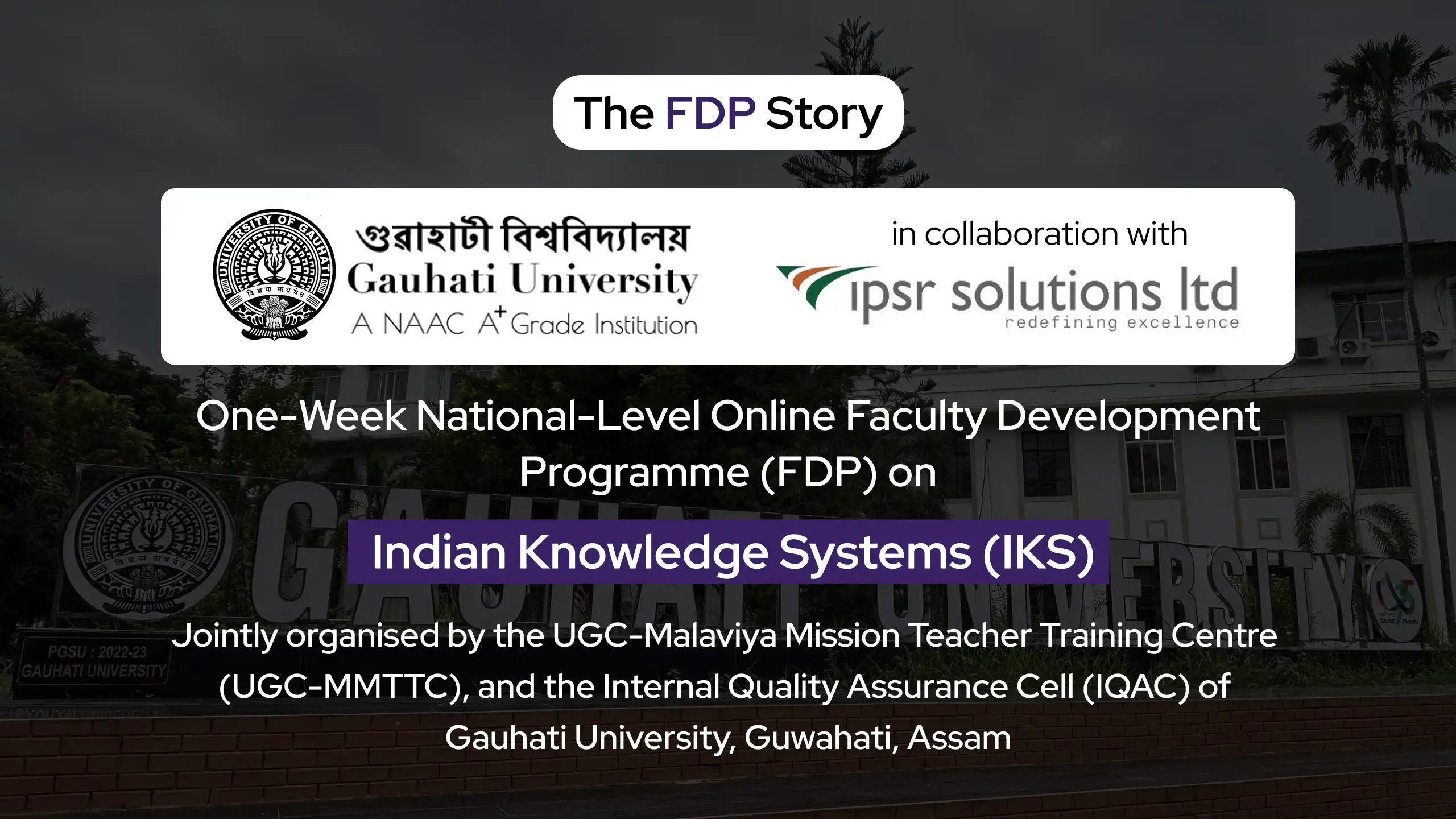
The One-Week National-Level Online Faculty Development Programme (FDP) on Indian Knowledge Systems (IKS) was jointly organised by the UGC-Malaviya Mission Teacher Training Centre (UGC-MMTTC), Gauhati University, and the Internal Quality Assurance Cell (IQAC), Gauhati University, Guwahati, Assam, in association with ipsr solutions limited, from 18 to 24 March 2026.
The programme was designed to introduce educators across India to the philosophy, principles, and contemporary relevance of Indian Knowledge Systems while supporting the implementation of the National Education Policy (NEP) 2020. Through expert-led sessions, interactive discussions, and a capstone curriculum design activity, the FDP enabled participants to explore how traditional Indian knowledge can be meaningfully integrated into modern higher education.
The programme received an overwhelming response from faculty members across the country.
Programme Statistics
- Programme Duration: 18–24 March 2026
- Live Session Timings: 7:00 PM – 9:00 PM IST
The One-Week National Level Online Faculty Development Program (FDP) on Indian Knowledge Systems (IKS) was attended by participants from 26 States and 4 Union Territories across India. A total of 1,837 Registration Submissions representing 1,264 Educational Institutions were received. Among them, 1,038 participants accessed the sessions from Online and the LMS.
Participants were encouraged to attend all live sessions to gain a comprehensive understanding of Indian Knowledge Systems and successfully complete the programme requirements.
Introduction
About Gauhati University
Established in 1948, Gauhati University (GU) is one of the oldest and most prestigious institutions of higher education in Northeast India. Founded under the Gauhati University Act of 1947, the university has played a pioneering role in expanding access to quality higher education across the region.
Accredited with a NAAC A+ Grade, the university offers a wide range of undergraduate, postgraduate, and research programmes in Arts, Science, Commerce, Law, Engineering, and several interdisciplinary disciplines. With hundreds of affiliated colleges and numerous academic departments, Gauhati University continues to contribute significantly to academic excellence, research, innovation, and regional development.
The university remains committed to promoting inclusive education, interdisciplinary research, and knowledge creation while nurturing socially responsible graduates capable of addressing contemporary challenges.
About ipsr solutions limited
ipsr solutions limited is a public limited IT company led by academicians and technology experts with more than 26 years of experience in supporting higher education institutions through innovative academic and technology solutions.
Having collaborated with over 500 higher education institutions, including central universities, state universities, autonomous colleges, and government institutions, IPSR has been instrumental in enabling institutions to achieve excellence in teaching, learning, accreditation, and digital transformation.
Its academic solutions support institutions through:
- Outcome-Based Education (OBE) implementation and attainment analytics
- Accreditation and institutional quality enhancement strategies
- AI-assisted examination management systems
- Research enablement using Artificial Intelligence and critical thinking
- Academic collaborations, internships, and value-added programmes
- Custom academic portals and accreditation-ready web solutions
Day 1 – 18 March 2026
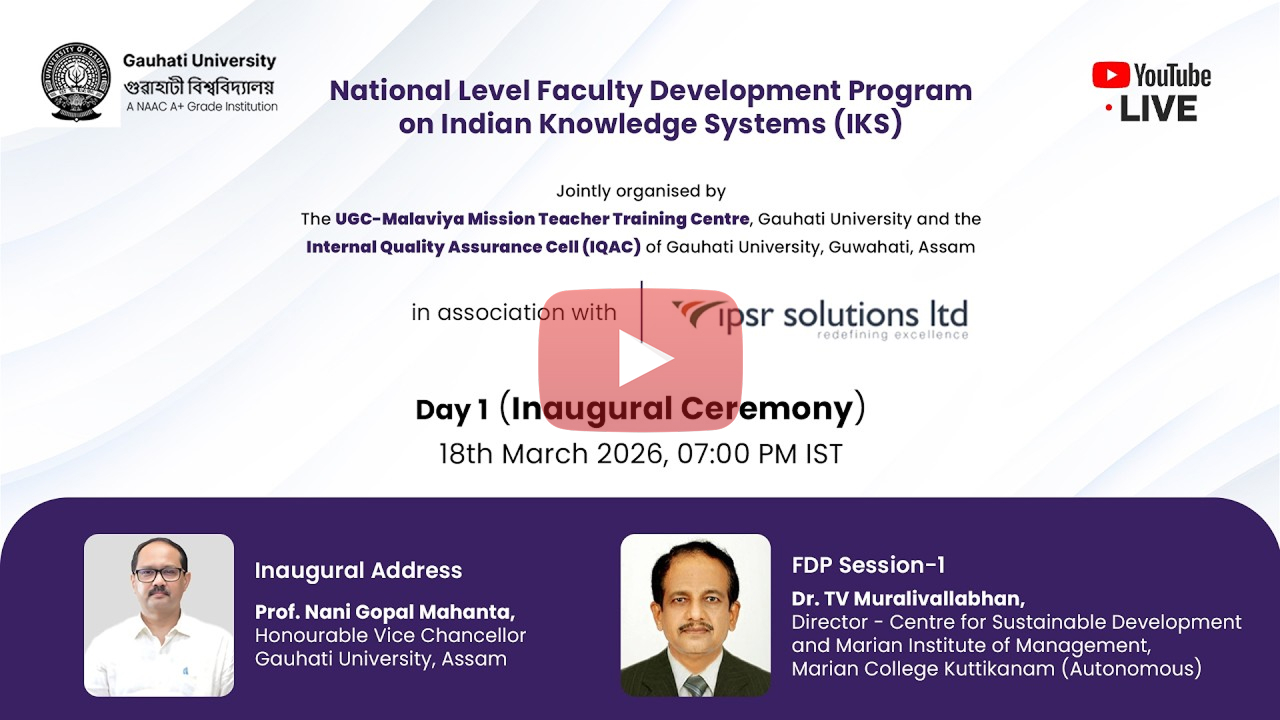
The Faculty Development Programme commenced with an inaugural session that brought together academic leaders, faculty members, and participants from institutions across India. The opening sessions established the objectives of the programme and highlighted the importance of Indian Knowledge Systems in contemporary higher education.
Welcome Address
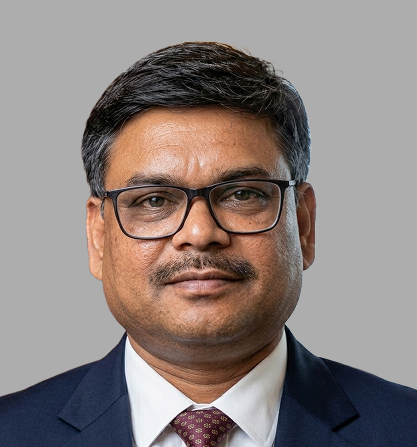
The programme began with a welcome address delivered by Prof. Bhaben Tanti, Director of the UGC-Malaviya Mission Teacher Training Centre, Gauhati University.
Prof. Tanti welcomed the participants and emphasized the importance of faculty development in promoting quality education and research. He highlighted the vision of UGC-MMTTC in creating opportunities for educators to engage with emerging academic themes while reconnecting with India's rich intellectual traditions. Drawing from his extensive experience in molecular biology, biotechnology, and conservation science, he underscored the need to integrate traditional ecological knowledge with modern scientific approaches for sustainable development.
Inaugural Address

The inaugural address was delivered by Prof. Nani Gopal Mahanta, Hon'ble Vice Chancellor of Gauhati University.
In his address, Prof. Mahanta spoke about the significance of Indian Knowledge Systems in realizing the vision of the National Education Policy 2020. He stressed the importance of interdisciplinary education, research, innovation, and the revival of indigenous knowledge traditions within higher education institutions. He encouraged faculty members to adopt holistic teaching approaches that combine India's intellectual heritage with modern pedagogical practices, thereby preparing learners for the evolving global knowledge economy.
Introduction to the FDP
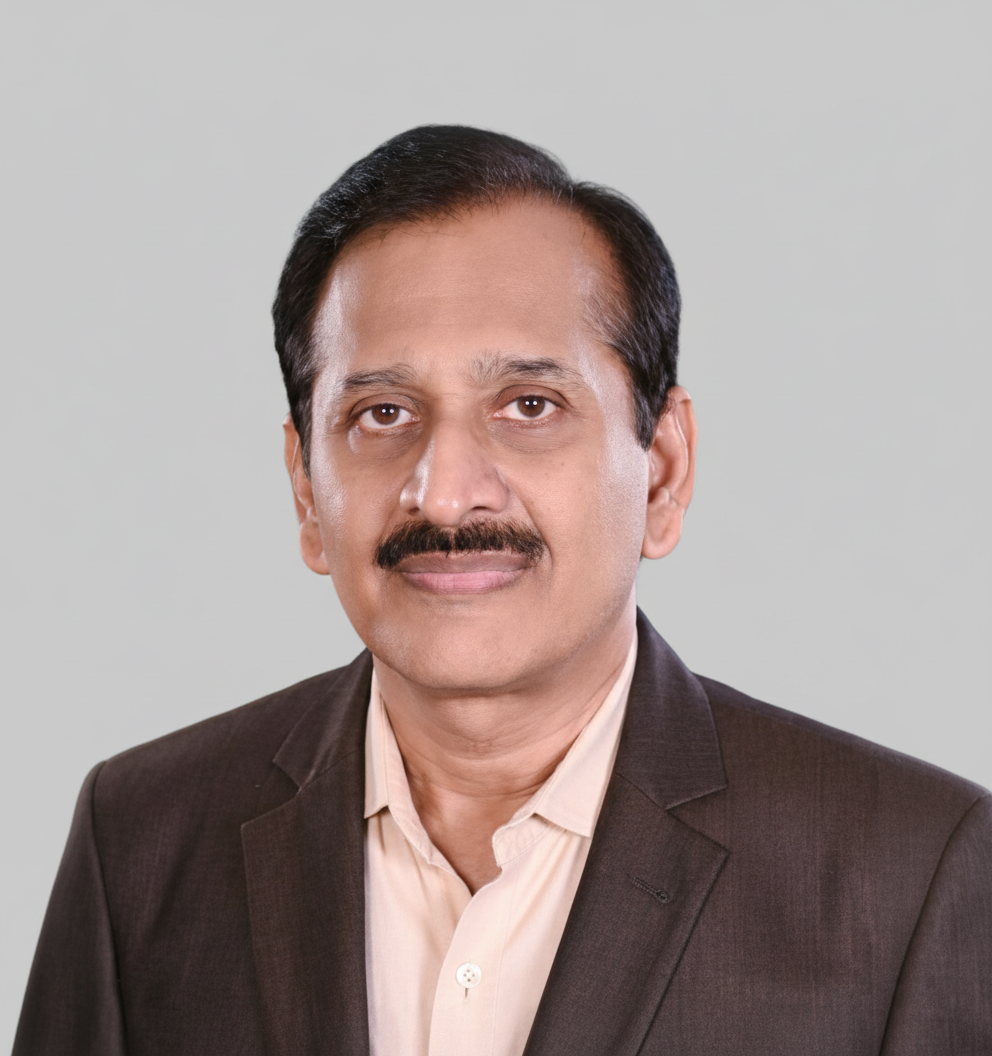

The Faculty Development Programme was formally introduced by Dr. Mendus Jacob, Professor and Director, MCA, Marian College Kuttikkanam (Autonomous), and Managing Director & CEO of ipsr solutions limited.
Dr. Mendus Jacob presented the objectives, structure, and expected outcomes of the programme. He explained how the FDP had been carefully designed to help educators understand the philosophical foundations of Indian Knowledge Systems and translate these ideas into practical curriculum design, Outcome-Based Education (OBE), research, and classroom pedagogy.
Drawing upon his extensive experience in higher education and academic quality assurance, he emphasized that Indian Knowledge Systems should not merely be studied as historical achievements but should be understood as dynamic frameworks capable of addressing present-day educational and societal challenges. He also highlighted IPSR's long-standing contribution to faculty development programmes across India and its continued commitment to strengthening higher education through innovative academic initiatives.
Vote of Thanks

The inaugural session concluded with a vote of thanks delivered by Dr. Kumaresh Sarmah, Assistant Professor, Department of Electronics and Communication Technology, Gauhati University, and FDP Coordinator. He expressed gratitude to the university leadership, resource persons, organising committee, IPSR Solutions Limited, and all participating faculty members for making the programme possible.
Technical Session
Topic: IKS in NEP 2020 for A Sustainable World
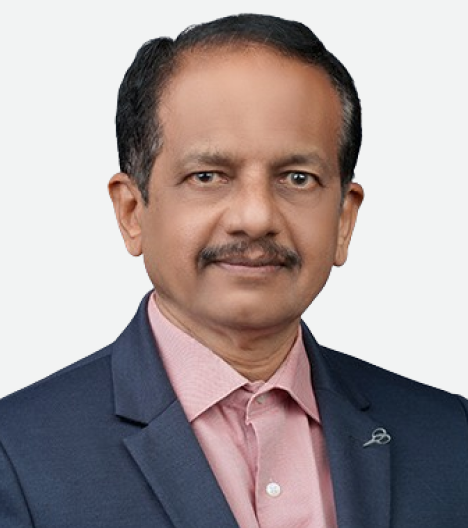
Resource Person: Dr. T. V. Muralivallabhan
Director, Centre for Sustainable Development and Marian Institute of Management, Marian College Kuttikkanam (Autonomous)
The first technical session of the FDP was delivered by Dr. T. V. Muralivallabhan, an eminent academician and internationally recognised resource person in the areas of sustainable development, environmental education, corporate social responsibility, and Indian Knowledge Systems.
The session focused on the relevance of Indian Knowledge Systems in implementing the vision of the National Education Policy 2020 while promoting sustainable development. Dr. Muralivallabhan argued that many of today's environmental and societal challenges stem from fragmented and mechanistic approaches to development that overlook the interconnectedness of nature, society, and human well-being.
Drawing extensively from Indian philosophical traditions, he explained how Indian Knowledge Systems advocate a holistic worldview that recognizes the sacred relationship between humanity and the natural environment. He illustrated how concepts such as ecological balance, ethical responsibility, community participation, and harmony with nature have been integral to Indian civilization for centuries and remain highly relevant in addressing contemporary sustainability challenges.
The session also explored the role of higher education institutions in integrating these principles into curriculum design, teaching-learning practices, research, and institutional development. Participants were encouraged to rethink conventional educational models by incorporating interdisciplinary approaches that foster critical thinking, environmental consciousness, and social responsibility.
Dr. Muralivallabhan further demonstrated how Indian Knowledge Systems complement Outcome-Based Education by nurturing values alongside knowledge and skills. He emphasized that sustainable development requires not only technological advancement but also ethical leadership, cultural awareness, and responsible citizenship.
The highly interactive session concluded with an engaging discussion on practical strategies for embedding Indian Knowledge Systems into higher education programmes, thereby supporting the broader objectives of NEP 2020 and preparing students to become socially responsible global citizens.
To support further learning, participants were encouraged to explore additional scholarly resources, including publications on lifelong learning, national security, and the integration of Indian Knowledge Systems with Outcome-Based Education and accreditation frameworks.
Day 1 – Key Points
Topic: IKS in NEP 2020 for A Sustainable World
- Introduced the philosophy and scope of Indian Knowledge Systems (IKS).
- Highlighted the alignment of IKS with the vision of the National Education Policy (NEP) 2020.
- Emphasized sustainability through traditional Indian ecological and cultural practices.
- Discussed the holistic relationship between humanity, nature, and society.
- Explained the role of higher education institutions in promoting value-based and multidisciplinary education.
- Demonstrated how IKS can strengthen Outcome-Based Education (OBE) and accreditation initiatives.
- Encouraged faculty to integrate sustainability, ethics, and indigenous knowledge into curriculum design.
Article : How IKS Supports NEP 2020, Outcome-Based Education, and Accreditation
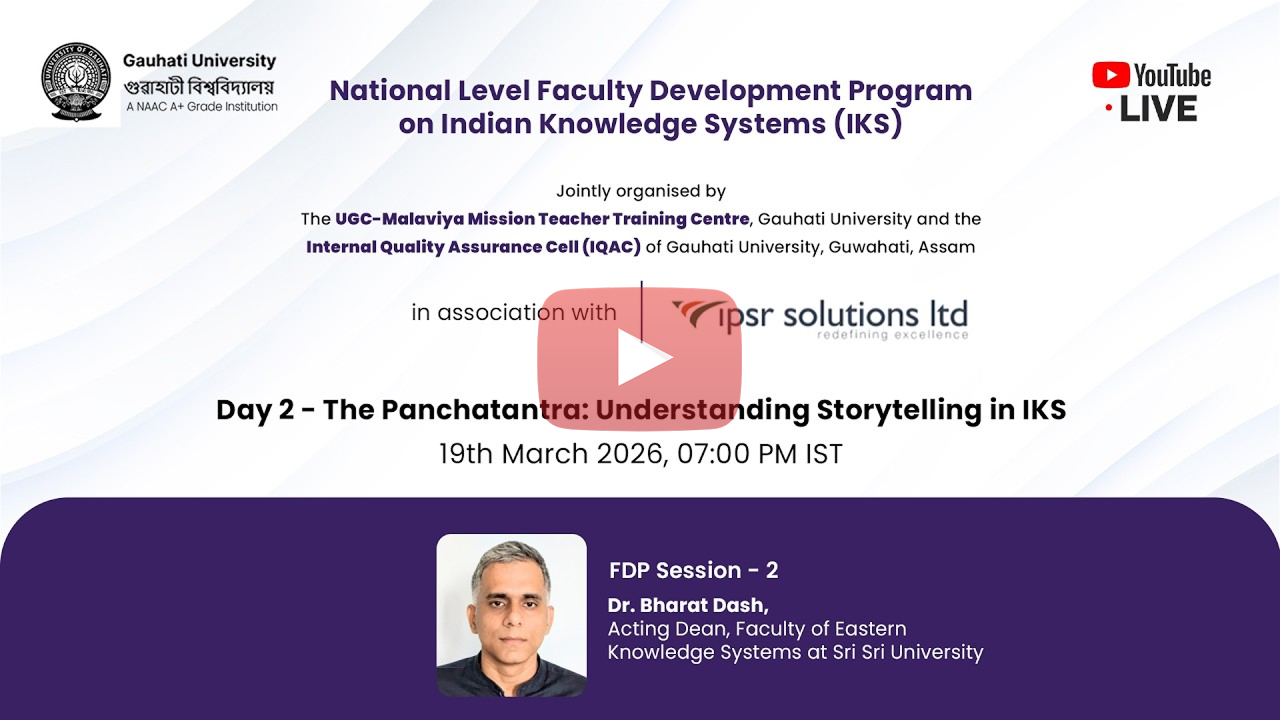
Day 2 – 19 March 2026
Topic: The Panchatantra – Understanding Storytelling in Indian Knowledge Systems
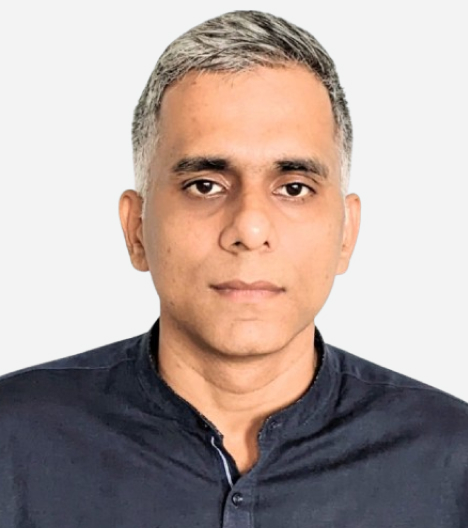
Resource Person: Dr. Bharat Dash
Acting Dean, Faculty of Eastern Knowledge Systems, Sri Sri University
The second day of the Faculty Development Programme focused on one of the most engaging pedagogical traditions of Indian Knowledge Systems—the art of storytelling. The technical session was delivered by Dr. Bharat Dash, an eminent educator, trainer, and Acting Dean of the Faculty of Eastern Knowledge Systems at Sri Sri University.
Dr. Dash began the session by explaining that storytelling has always been one of the most effective methods of knowledge transmission in Indian civilization. Rather than viewing stories merely as a form of entertainment, he presented them as structured educational tools capable of communicating ethics, governance, leadership, emotional intelligence, and decision-making across generations.
Using the Panchatantra as the central example, he demonstrated how the collection of stories represents a sophisticated treatise on Nīti (policy, governance, ethics, and strategy). The narratives were originally designed to transform young learners into capable leaders by encouraging observation, reflection, and critical thinking rather than rote memorization.
The session explored how storytelling stimulates curiosity, improves learner engagement, and enhances long-term retention of concepts. Dr. Dash emphasized that educators today compete with digital distractions, making it essential to create learning experiences that are meaningful, memorable, and interactive. Storytelling, he explained, provides an effective bridge between theoretical knowledge and practical understanding.
Several practical examples illustrated how storytelling could be integrated into engineering, management, science, medicine, and humanities classrooms. Faculty members learned how complex academic concepts could be simplified through contextual narratives, making learning more relatable and enjoyable for students.
The session concluded with an interactive discussion on adapting storytelling techniques to modern classrooms and digital learning environments. Participants appreciated the practical insights shared by the resource person and recognized storytelling as a powerful pedagogical strategy that aligns well with the learner-centric vision of NEP 2020.
Day 2 – Key Points
Topic: The Panchatantra – Understanding Storytelling in IKS
- Explained storytelling as a powerful pedagogical tool in Indian Knowledge Systems.
- Presented the Panchatantra as a treatise on ethics, governance, leadership, and decision-making.
- Demonstrated how storytelling improves student engagement, curiosity, and knowledge retention.
- Discussed the neuroscience behind learning through stories.
- Showed practical applications of storytelling across engineering, management, science, and humanities education.
- Encouraged educators to create interactive and learner-centric classrooms.
- Highlighted storytelling as an effective strategy for implementing NEP 2020.
Day 3 – 20 March 2026
Topic: RECLAIM | Pratyabhijñā | Recognition
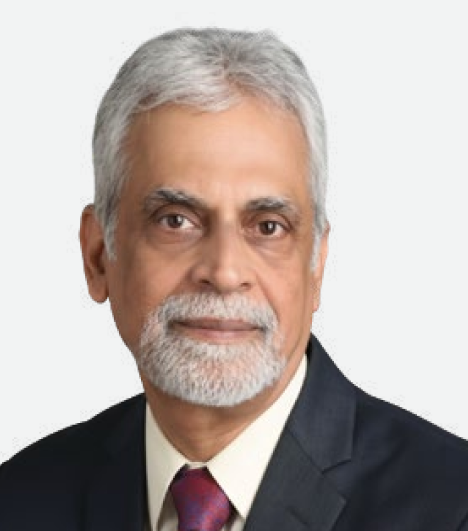
Resource Person: Dr. Suresh Namboothiri
Director, IPSR Solutions Limited & Espior Technologies
The third day marked the beginning of an intellectually stimulating series of sessions delivered by Dr. Suresh Namboothiri, focusing on the deeper philosophical and cognitive foundations of Indian Knowledge Systems.
The session introduced the concept of Pratyabhijñā (Recognition), emphasizing that Indian Knowledge Systems should not be viewed merely as historical achievements but as living frameworks that continue to offer valuable insights for contemporary education, research, innovation, and leadership.
Dr. Namboothiri encouraged participants to move beyond superficial appreciation of India's past and instead understand the intellectual processes that enabled ancient scholars to make pioneering contributions in mathematics, astronomy, metallurgy, medicine, linguistics, architecture, and philosophy.
Through several historical examples, he demonstrated that India's achievements emerged from systematic inquiry, disciplined observation, experimentation, and deep cognitive training rather than isolated discoveries. Participants explored how these underlying thinking processes remain highly relevant in today's AI-driven world.
The session also highlighted the urgent need for educational institutions to cultivate learners who possess creativity, critical thinking, ethical reasoning, and system thinking, qualities that cannot be easily replaced by Artificial Intelligence. Faculty members were encouraged to focus on developing human capabilities rather than simply delivering information.
The discussions generated considerable interest among participants, who appreciated the session's interdisciplinary approach and its relevance to Outcome-Based Education, research, and innovation.
Day 3 – Key Points
Topic: RECLAIM | Pratyabhijñā | Recognition
- Explained the concept of Pratyabhijñā (Recognition) as rediscovering India's intellectual heritage.
- Clarified that IKS is a knowledge framework rather than a historical or religious narrative.
- Showcased India's contributions to mathematics, medicine, astronomy, metallurgy, linguistics, and engineering.
- Emphasized understanding the thinking processes behind ancient innovations.
- Discussed on the relevance of IKS in the era of Artificial Intelligence.
- Encouraged educators to develop AI-irreplaceable human skills such as creativity and critical thinking.
- Promoted interdisciplinary approaches to teaching and research.
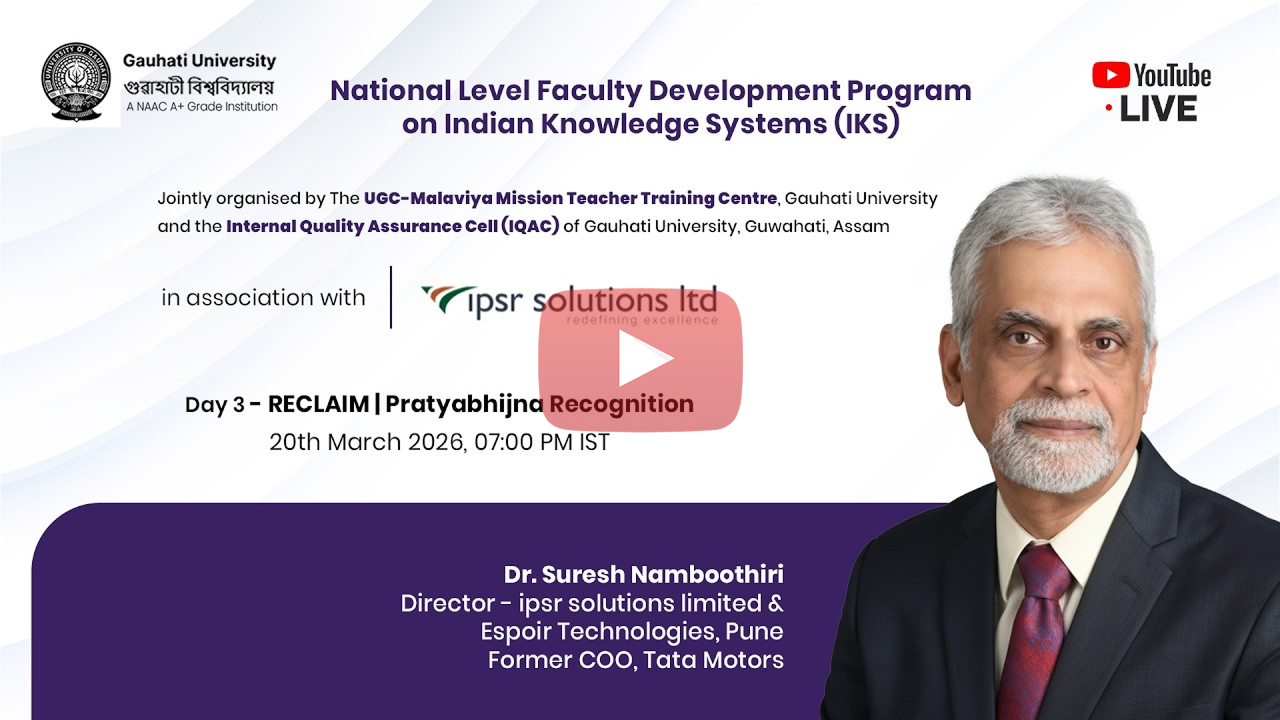
Day 4 – 21 March 2026
Topic: FORGE | Tapas | Transformative Formation
Resource Person: Dr. Suresh Namboothiri
The fourth day explored the concept of Tapas, describing it as a disciplined process of personal transformation and intellectual development.
Dr. Namboothiri explained that ancient Indian educational systems focused first on developing the learner before introducing specialized knowledge. Education was viewed as a process of shaping character, discipline, observation, emotional maturity, and intellectual capability.
The session introduced four essential pillars of human development, including disciplined practice, cognitive readiness, attentive observation, and integrated learning through body, mind, and intellect. Drawing upon examples from the Gurukul tradition, Yoga, Ayurveda, and ancient educational practices, the speaker demonstrated how these approaches remain applicable to modern higher education.
An important aspect of the session was the comparison between contemporary education, which often emphasizes examinations and credentials, and traditional systems that prioritized transformation, competence, and lifelong learning.
Faculty members engaged in discussions on designing learning experiences that encourage reflection, inquiry, collaboration, and experiential learning. The session reinforced the importance of creating educational environments that nurture well-rounded graduates capable of addressing complex societal challenges.
Day 4 – Key Points
Topic: FORGE | Tapas | Transformative Formation
- Introduced Tapas as disciplined personal and intellectual transformation.
- Highlighted the importance of building cognitive, emotional, and ethical capabilities before specialization.
- Discussed the role of Yoga, disciplined practice, and attentive observation in holistic education.
- Compared traditional Indian education with contemporary educational practices.
- Explained the concepts of Adhikara (readiness) and Samvedana (attentive awareness).
- Emphasized experiential and learner-centric teaching methodologies.
- Encouraged educators to focus on developing well-rounded graduates.
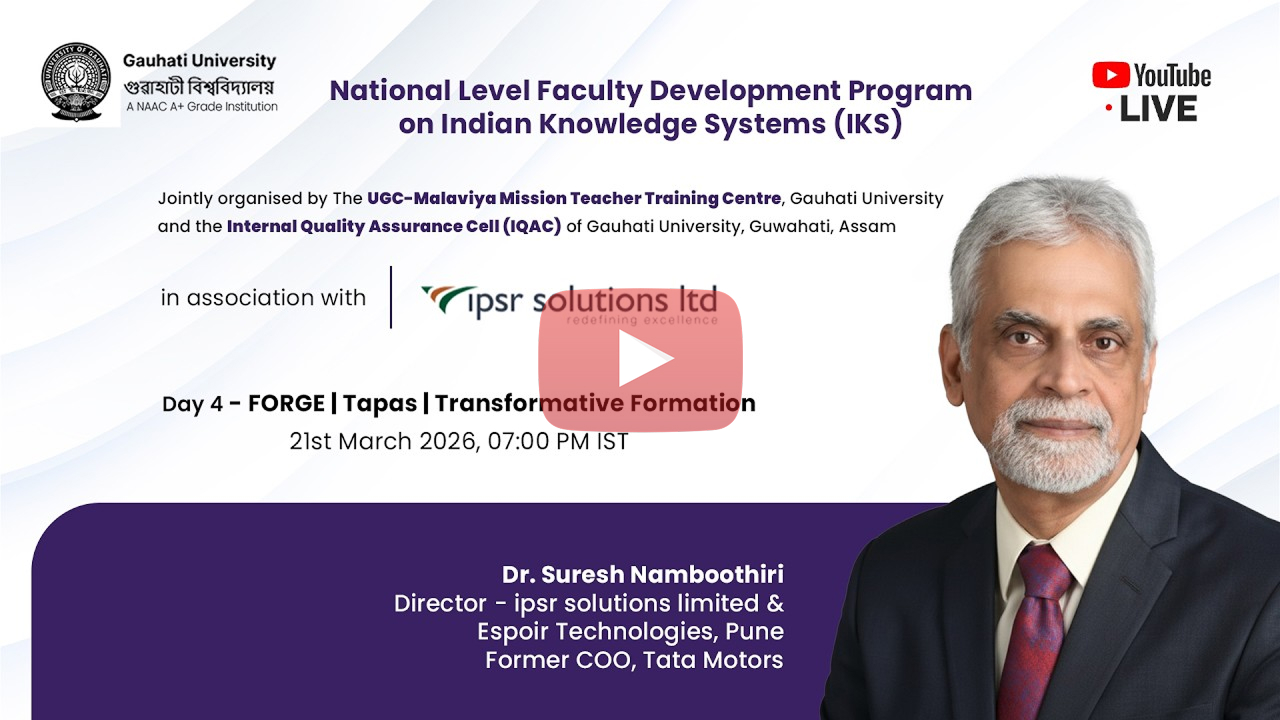
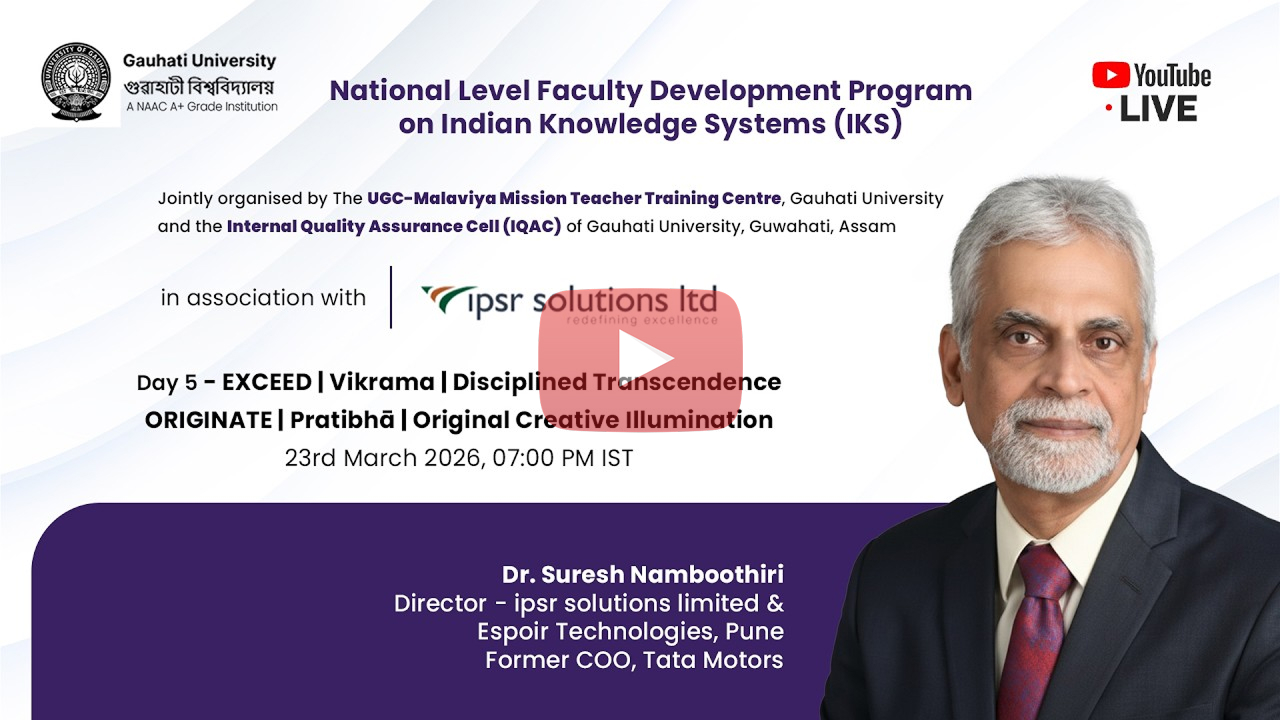
Day 5 – 23 March 2026
Topic: EXCEED | Vikrama | Disciplined Transcendence ORIGINATE | Pratibhā | Original Creative Illumination
Resource Person: Dr. Suresh Namboothiri
The fifth day focused on innovation, creativity, and excellence through the concepts of Vikrama and Pratibhā.
Dr. Namboothiri explained that true innovation emerges not from access to technology alone but from disciplined thinking, structured observation, and a deep understanding of underlying principles. He introduced participants to cognitive frameworks derived from Indian Knowledge Systems that encourage discernment, recursive thinking, intelligent use of constraints, and sustained intellectual engagement.
Participants explored how these principles parallel modern concepts such as Design Thinking, Lean Management, Systems Thinking, and Artificial Intelligence. Through numerous examples, the speaker illustrated how ancient Indian scholars transformed limitations into opportunities for innovation.
The session emphasized the role of higher education institutions in cultivating originality rather than imitation. Faculty members were encouraged to redesign teaching methodologies to promote creativity, research orientation, interdisciplinary learning, and authentic problem-solving.
The discussions highlighted that the future of education lies not in producing graduates who merely possess information, but individuals capable of generating new knowledge and innovative solutions to emerging global challenges.
Day 5 – Key Points
Topic: EXCEED | Vikrama | Disciplined Transcendence ORIGINATE | Pratibhā | Original Creative Illumination
- Explored innovation through the concepts of Vikrama and Pratibhā.
- Explained how disciplined thinking leads to creativity and original research.
- Introduced cognitive principles such as discernment, recursion, intelligent use of constraints, and systems thinking.
- Connected ancient Indian knowledge frameworks with Design Thinking and Artificial Intelligence.
- Demonstrated how limitations can become opportunities for innovation.
- Encouraged faculty to cultivate research, creativity, and entrepreneurial thinking among students.
- Reinforced the importance of producing innovators rather than information consumers.
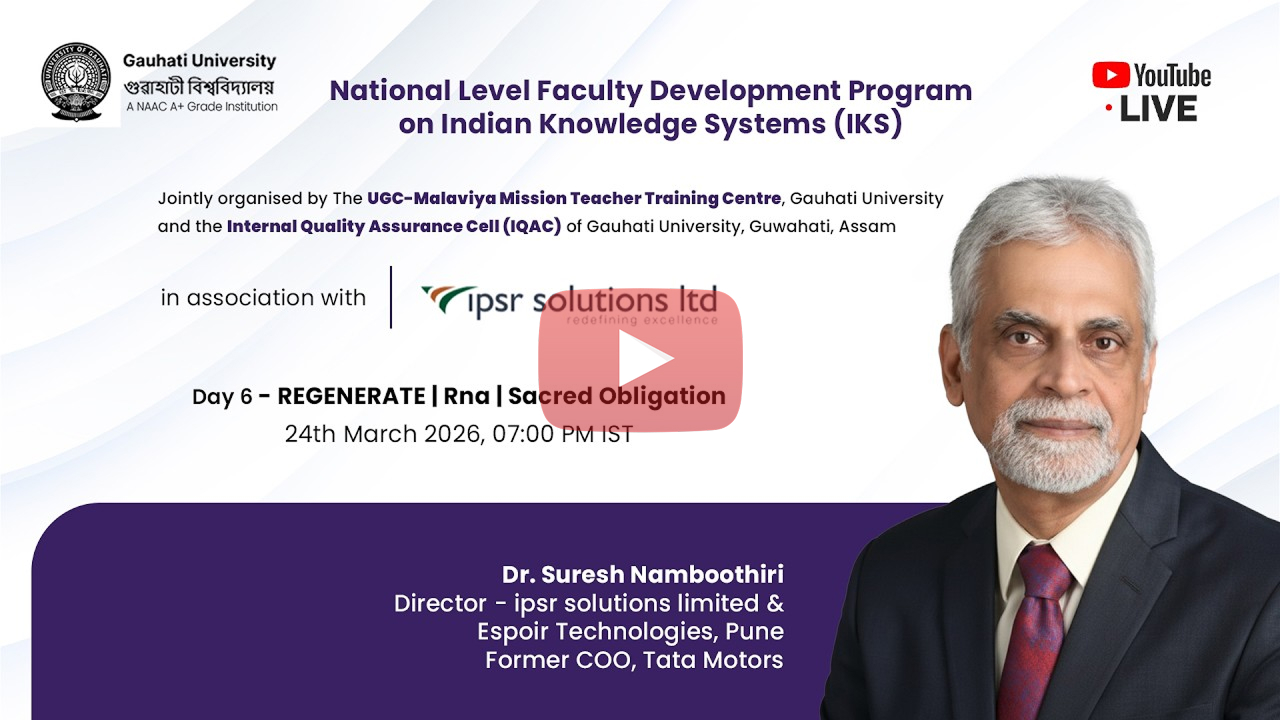
Day 6 – 24 March 2026
Topic: REGENERATE | Ṛṇa | Sacred Obligation
Resource Person: Dr. Suresh Namboothiri
The concluding technical session focused on the concept of Ṛṇa, representing the responsibility of every individual to contribute meaningfully to society and future generations.
Dr. Namboothiri explained that Indian Knowledge Systems view knowledge as a collective inheritance that carries corresponding responsibilities. Education, therefore, should inspire learners not only to pursue personal success but also to contribute towards social progress, environmental sustainability, and national development.
The session examined numerous examples of ancient Indian innovations in metallurgy, medicine, architecture, agriculture, and water management, demonstrating how these achievements were rooted in disciplined inquiry, ethical values, and societal responsibility.
Participants discussed how institutions can create educational ecosystems that foster innovation while preserving cultural heritage and promoting sustainable development. The speaker emphasized that the objective of Indian Knowledge Systems is not to glorify the past but to build intellectually capable, ethically grounded, and socially responsible citizens prepared for the future.
The session concluded with an inspiring call for educators to become catalysts for educational transformation by integrating Indian Knowledge Systems into curriculum design, teaching methodologies, research, and institutional practices.
Day 6 – Key Points
Topic: REGENERATE | Ṛṇa | Sacred Obligation
- Explained Ṛṇa (Sacred Obligation) as the responsibility to contribute to society and future generations.
- Highlighted knowledge as a shared social responsibility rather than personal achievement.
- Presented case studies of ancient Indian innovations in medicine, metallurgy, agriculture, and water management.
- Discussed how ethical values support sustainable innovation and societal development.
- Encouraged institutions to build ecosystems that promote creativity, responsibility, and lifelong learning.
- Reinforced the importance of integrating Indian Knowledge Systems into curriculum and research.
- Concluded with a vision for creating globally competent, ethically grounded, and socially responsible graduates.
Capstone Workshop Activity
As the culminating activity of the Faculty Development Programme, participants were assigned a Capstone Workshop requiring them to design a 2-credit IKS-Integrated Short Course in their respective disciplines.
The proposed course was expected to include:
- Course Title
- Rationale and Context
- Course Objectives
- Clearly Defined Course Outcomes (COs)
- Module-wise Course Structure
- Teaching–Learning Strategies
- Assessment Methods aligned with the intended learning outcomes
The course design was expected to demonstrate:
- Disciplinary appropriateness
- Authentic integration of Indian Knowledge Systems
- Outcome-Based Curriculum Design
- Pedagogical coherence
- Practical relevance to contemporary higher education
This activity enabled participants to translate the theoretical concepts discussed throughout the FDP into a practical academic framework suitable for implementation within their own institutions.
Conclusion
The One-Week National-Level Faculty Development Programme on Indian Knowledge Systems (IKS) successfully provided educators with a comprehensive understanding of India's rich intellectual traditions and their relevance to contemporary higher education. Through six days of engaging lectures, interdisciplinary discussions, and practical curriculum design activities, participants explored how Indian Knowledge Systems can enrich teaching, research, innovation, sustainability, and Outcome-Based Education.
The programme highlighted that IKS is not merely a study of historical achievements but a dynamic framework for developing critical thinking, ethical leadership, creativity, environmental responsibility, and lifelong learning. The distinguished resource persons offered valuable perspectives on integrating indigenous knowledge with modern educational practices, enabling faculty members to design more holistic, learner-centric curricula aligned with the vision of the National Education Policy (NEP) 2020.
The Capstone Workshop further strengthened participants' understanding by encouraging them to develop academically rigorous, outcome-based courses that authentically incorporate Indian Knowledge Systems into their respective disciplines. The enthusiastic participation of more than two thousand registrants reflects the growing interest among educators in embracing India's knowledge heritage to create future-ready learning environments.
Overall, the FDP served as a meaningful platform for academic dialogue, professional development, and institutional collaboration, reinforcing the role of Indian Knowledge Systems in shaping innovative, sustainable, and globally relevant higher education.